
How Does a Vape Work? A Beginner’s Guide
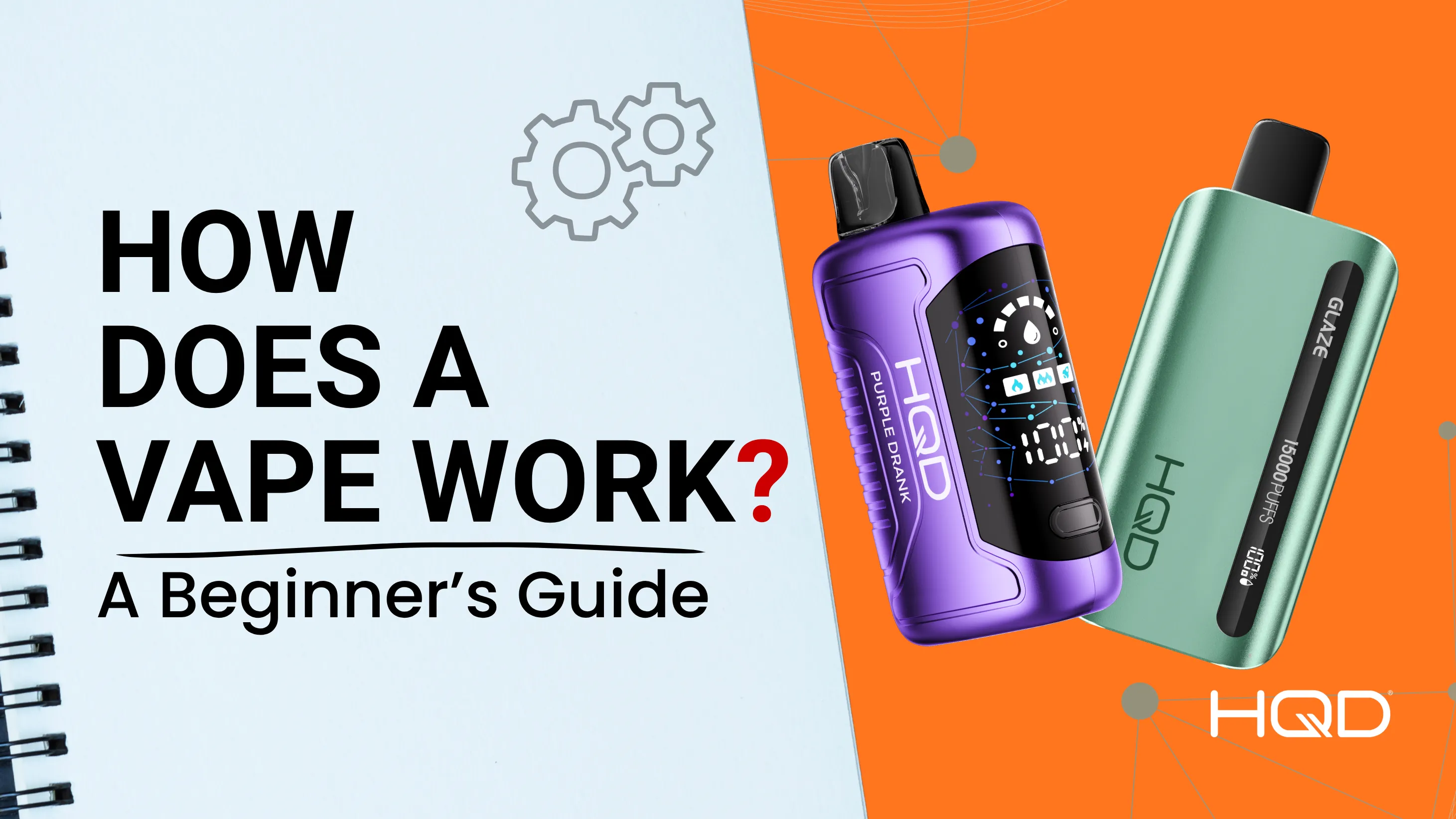
If you're new to vaping, understanding how a vape works is a great place to start. While vape devices come in different shapes and styles, they all follow the same basic process to turn e-liquid into vapor.
This guide breaks down the basics in a simple way. Let’s take a closer look at how it actually works.
What Is a Vape?
A vape is an electronic device that heats a liquid, known as e-liquid or vape juice, to create a vapor that users inhale. Unlike traditional cigarettes, vapes do not burn tobacco. Instead, they use a battery-powered heating element to produce an aerosol.
Vapes come in many shapes and sizes, from simple disposable devices to advanced refillable systems. They are commonly used as an alternative to smoking and are available in a wide range of flavors and nicotine strengths.
Core Components of a Vape Device
Every vape device contains a few key parts that work together to produce vapor. Understanding these components can help beginners better understand how vaping devices function.
I. Battery
The battery is the power source that makes vaping possible. It provides the energy needed to heat the coil and can be either built-in or removable, depending on the type of vape.
II. Coil (Atomizer)
The coil, also called an atomizer, is the heating element inside the device. When the battery supplies power, the coil heats up and turns the e-liquid into vapor.
III. E-Liquid Tank or Pod
The tank or pod holds the e-liquid that is used to create vapor. Tanks are typically found in larger refillable devices, while pods are common in compact pod systems and some disposable vapes.
IV. Mouthpiece
The mouthpiece is the part of the vape that users inhale through. It directs the vapor from the device into the user's mouth and lungs, making it an essential part of the vaping experience.
How Does a Vape Work?
While different devices may vary in design, the basic process is similar across most vapes. Here is a step-by-step look at how it works.
1. Powering the Device
Most vapes are activated in one of two ways:
Draw-activated: where the device starts working when you inhale
Button-activated: where the device starts when you press a button
Many beginner-friendly devices use draw activation because it feels simple and natural.
2. Heating the Coil
Once activated, the battery sends power to the coil. The coil heats up within seconds and becomes hot enough to vaporize the e-liquid.
In advanced devices, users may be able to adjust the power level. Simpler devices handle this process automatically.
3. Turning E-Liquid Into Vapor
The intense heat from the coil transfers to the e-liquid, soaking the wicking material, causing it to undergo vaporization (a process where liquid turns into gas without boiling).
This vapor contains the flavorings, nicotine (if included), and other ingredients found in the e-liquid.
4. Inhaling the Vapor
The vapor travels through the device and moves up to the mouthpiece. The user inhales the vapor, creating the vaping experience.
Once the puff is finished, the device stops heating until it is activated again.
Main Types of Vape Devices
I. Disposable Vapes
Disposable vapes are pre-filled and ready to use right out of the package. They require no charging, refilling, or maintenance, making them one of the simplest options for beginners.
Once the battery or e-liquid runs out, the entire device is discarded and replaced.
II. Pod Systems
Pod systems use small pods that contain e-liquid. Depending on the device, pods can be pre-filled or refillable.
These devices are compact, easy to use, and popular among beginners because they offer a balance between convenience and performance.
III. Vape Pens
Vape pens are slim, cylindrical devices that are slightly larger than pod systems. They typically feature a rechargeable battery and a refillable tank.
Many users choose vape pens because they are simple to use and offer longer battery life and greater e-liquid capacity.
IV. Box Mods
Box mods are larger and more powerful vaping devices. They often include adjustable settings that allow users to control factors such as power output and airflow.
These devices are generally designed for experienced users who want more customization and vapor production than basic vape devices can provide.
Common Vape Problems
Even the best vape devices can experience occasional issues. Understanding the most common vape problems can help beginners identify the cause and find a solution more quickly.
1. Burnt Taste
A burnt taste usually occurs when the coil or wick lacks e-liquid. This can happen if the tank is empty, the coil is old, or the device is being used too frequently without giving the wick time to absorb more liquid.
Replacing the coil and keeping the tank or pod filled can often solve this problem.
2. Leaking
Leaking is one of the most common complaints among vape users. It can be caused by damaged seals, overfilling the tank, or improper assembly of the device.
Regular cleaning and making sure all parts are properly connected can help prevent leaks.
3. Weak Vapor Production
If your vape is producing less vapor than usual, the battery may need charging, or the coil may need replacing. Low e-liquid levels can also affect vapor production.
Checking these components is often the first step in troubleshooting the issue.
4. Spitting or Gurgling
Spitting and gurgling happen when excess e-liquid collects inside the coil or airflow chamber. This can cause small droplets of liquid to be pulled into the mouthpiece during use.
Cleaning the device, avoiding overfilling, and using the correct e-liquid can help reduce these issues.
Vape Safety Tips for Beginners
I. Battery Safety Basics
The battery is one of the most important parts of a vape device. Always inspect your device for signs of damage and stop using it if the battery appears swollen, overheated, or damaged.
If your device uses removable batteries, use only the battery type recommended by the manufacturer.
II. Proper Charging Practices
Always charge your vape using the charger or cable recommended for the device. Avoid leaving a vape charging unattended or overnight, as overcharging can damage the battery over time.
Unplug the device once it is fully charged and keep the charging port clean and dry.
III. Using the Correct E-Liquid
Not all e-liquids are suitable for every vape device. Using the wrong type of e-liquid can affect performance, cause leaks, or shorten coil life.
Check the manufacturer's recommendations and choose an e-liquid that matches your device's design and coil type.
IV. Storing Devices Safely
Store your vape in a cool, dry place away from direct sunlight and extreme temperatures. Excessive heat can damage batteries and affect the quality of e-liquid.
Keep vape devices and e-liquids out of reach of children and pets, and lock them away when not in use if possible.
Conclusion
Understanding how a vape works can make it easier to choose the right device and use it properly. While different vapes offer different features, they all rely on the same basic process of heating e-liquid to create vapor.
By learning about the main components, common device types, and basic safety practices, beginners can feel more confident when getting started. Taking the time to understand your device can also help improve performance and reduce common vaping problems.
Frequently Asked Questions
Is vaping as bad as smoking?
Vaping is generally considered less harmful than smoking because it does not involve burning tobacco.
Is 2 puffs of vape a day bad?
Two puffs a day expose you to fewer substances than frequent vaping, but it is not completely risk-free.
What is the best vape flavor for a beginner?
Many beginners start with simple flavors such as mint, menthol, fruit, or classic tobacco.